The Importance of Wilderness

Since I was 12 years old my family has been taking vacations to different National Parks across the country. Being a adolescent old girl, these obviously weren’t my first choices for vacations destinations, but my parents were insistent on hiking the parks. I didn’t quite understand why we would travel hundreds of miles across the country to see the woods when we had similar trees right in our backyard. It wasn’t until high school where I truly started to appreciate seeing different kinds of nature and what they have to offer.

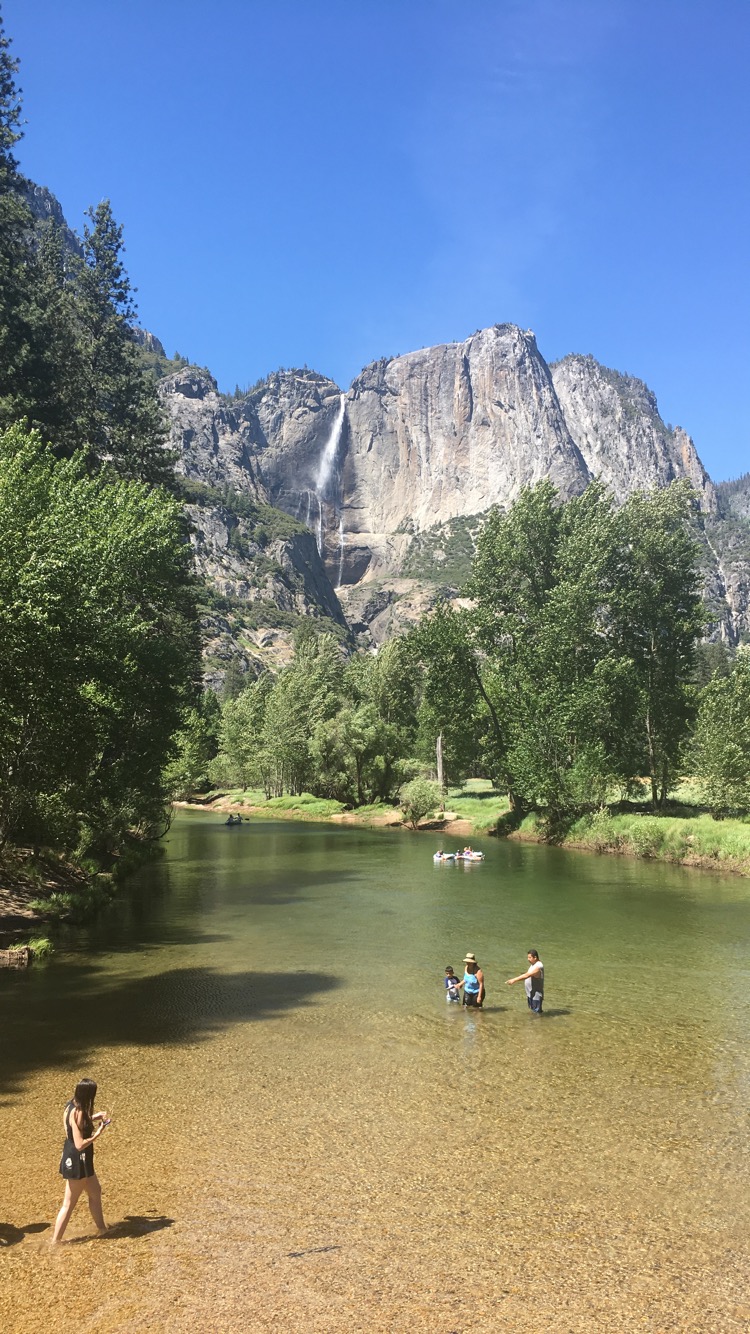
Our first trip out west was to Yellowstone, and I was in a bad mood the entire 12 days. This could have to do with the everyday challenges a 12 year old girl faces, but I was also pretty mad that my parents dragged me to the middle of nowhere for summer vacation instead of the beach. Don’t get me wrong, I grew up in a very rural area and I love the outdoors, I guess I just didn’t love hiking all that much. But every year we kept going to the parks, and it started to grow on me. I started to connect more with nature and understood why it was so important. Nature isn’t just preserved wilderness areas or National Parks its everywhere, but these places offer opportunities for people to experience nature in a new way. Last year we went to Yosemite National Park in California, and it changed my view on nature forever. I always enjoyed being outside, but after hiking in Yosemite I respected nature more than ever. I’ve seen waterfalls and mountains and valleys with flowers, but there was something special about Yosemite. Floating in the Merced river while looking up at Yosemite falls is something I will never forget.

Nature is so important and it is vital that humans take responsibility and advocate for our environment. Naess believes that nature is just as valuable if not more valuable than humans. I believe National Parks offer special opportunities for people to integrate with nature. Many people live in urban areas and the only nature they are exposed to is the local park, which is an amazing thing to have, but National Parks can teach people so much about the wilderness. It is our jobs as humans to protect and preserve land so that future generations can enjoy the extreme beauty our wilderness has to offer.

Here are some pictures from my past trips!
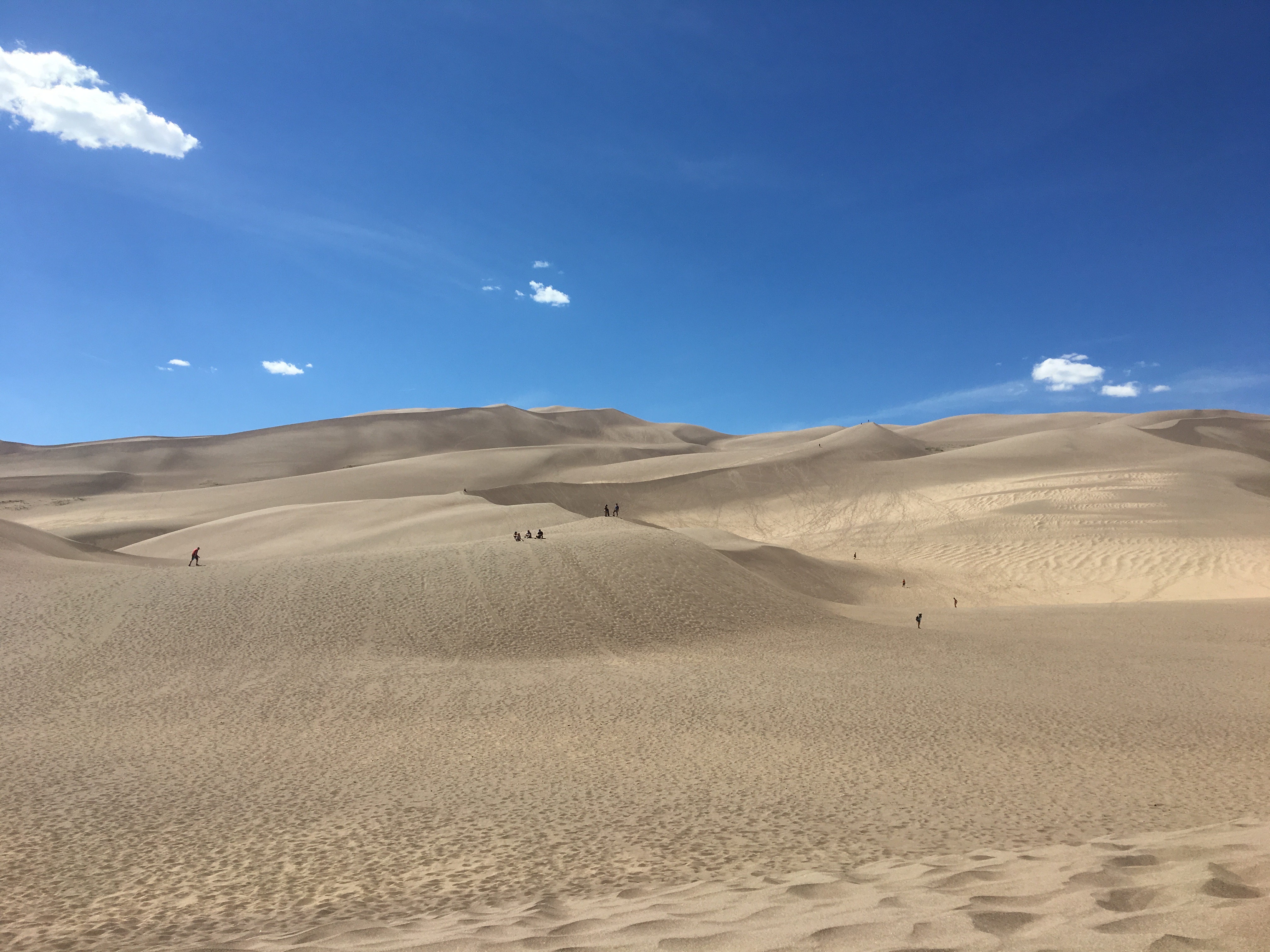
Sand Dunes National Park
Yosemite Falls

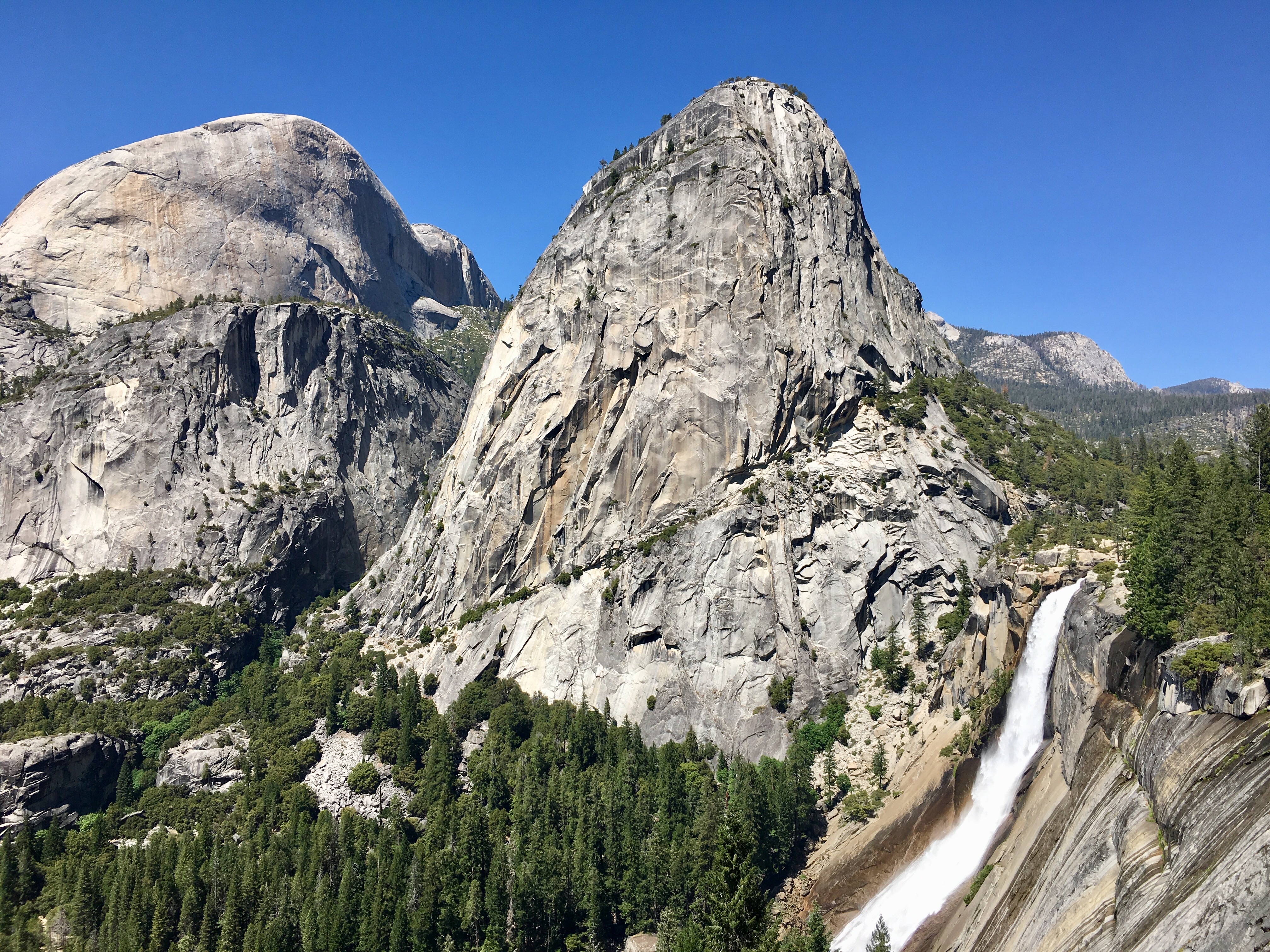
Nevada Falls, Yosemite
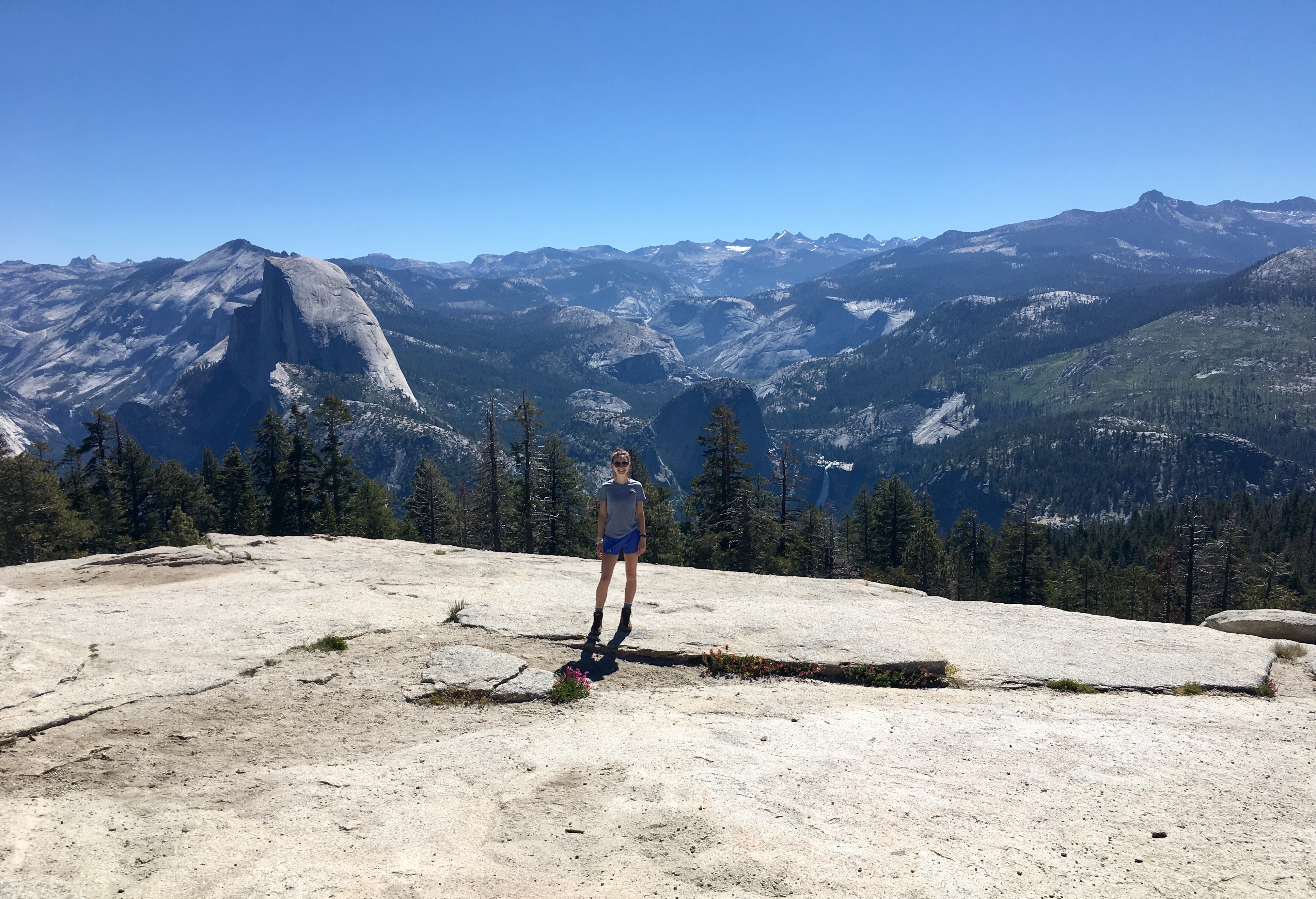
Yosemite National Park

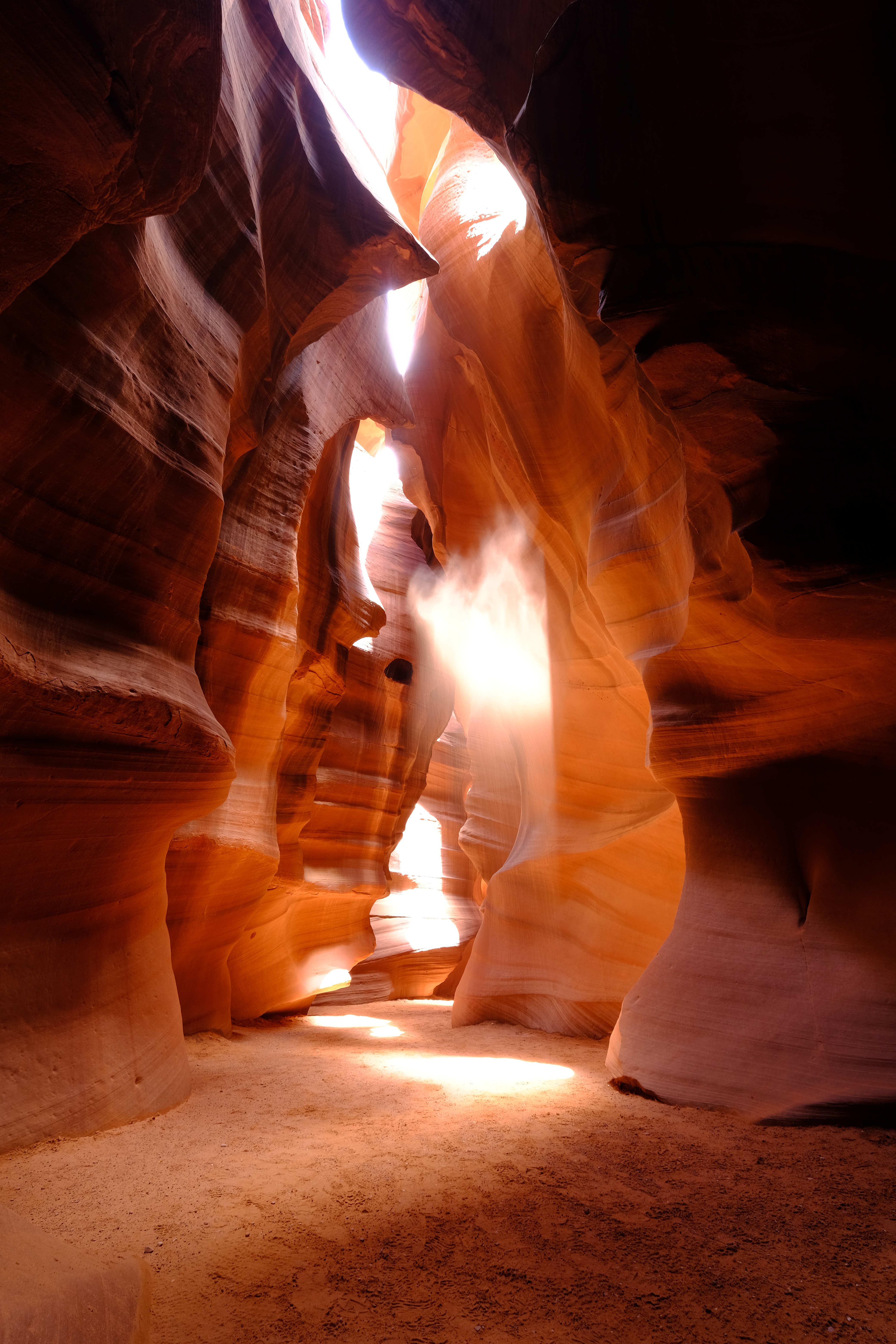
Antelope

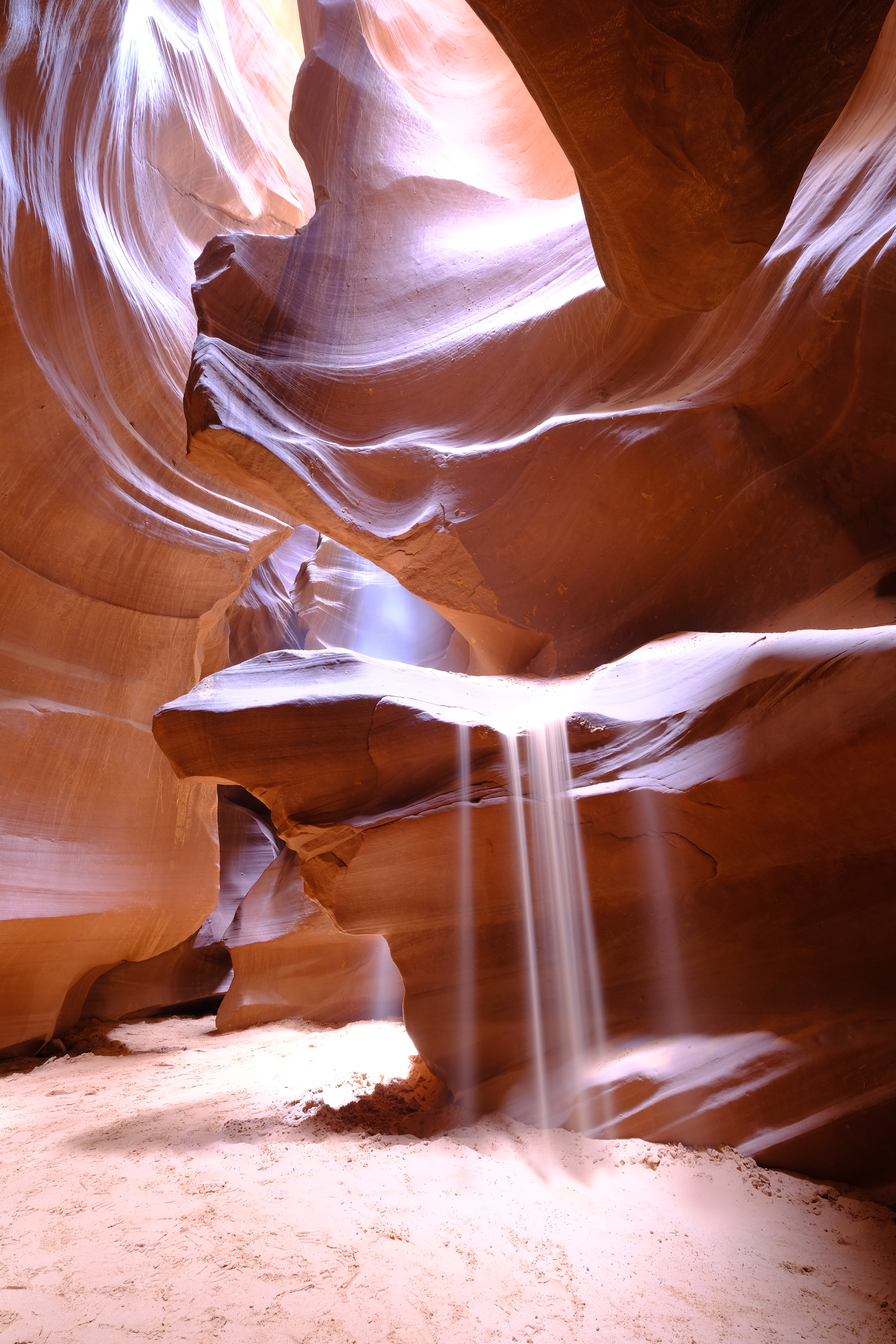
While driving across Arizona, we made a stop the world’s most incredible slot canyon, Antelope Canyon. It’s hard to imagine driving through Page Arizona that there is a secret beauty tucked away just a couple miles off the beaten path. Like Monument Valley this breath taking canyon is not a National Park but it is on Navajo protected land. This slot canyon brings in a huge amount of tourism because of its unique features. This is one of the most popular slot canyon’s to take pictures of, so if you’ve seen a picture of a slot canyon on the internet, it was probably Antelope. This canyon is basically in the middle of nowhere, but because of advanced technology and high end cameras is has become a huge destination for tourism especially professional photographers.

While visiting, my family and I went on a guided tour of the canyon, my mom brother and I just went on a regular tour, but my dad was lucky enough to go on a special photographers tour. The photographers tour was longer than the regular one, and in order to go on it you had to have a high end camera and tripod. The tour guides gave you extra time at each stop to take pictures, and they even made sure the area was clear so you could get a nice picture with no people in it. This was difficult because the canyon was packed, and every single person was glued to their phone trying to get the best possible picture. Even the regular tour guides knew exactly where to stand and what angle to hold your phone at to get the perfect picture.

I am so grateful to have these amazing pictures of the Antelope Canyon, because they truly are insane, but because it was so crowded and everyone was attached to their technology, I didn’t feel like I truly connected with nature when I was there. If not for cameras most people wouldn’t understand the beauty of Antelope Canyon, and because of technology there is a huge amount of tourism to this area. So, technology has both positive and negative affects on the geological wonder that is Antelope Canyon.

Here are some of the pictures my dad took at Antelope Canyon!!

The Petrified Forest & Painted Desert

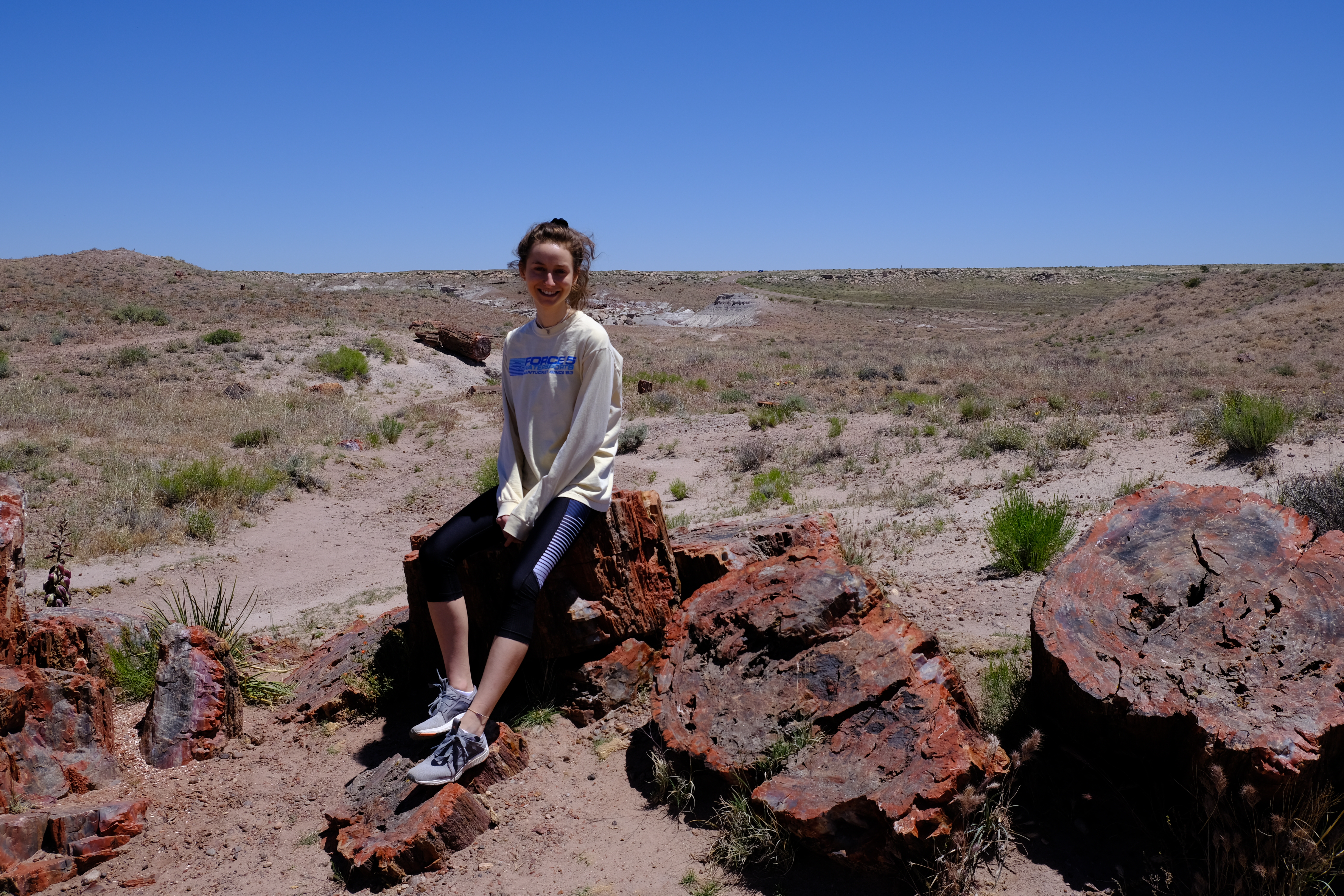
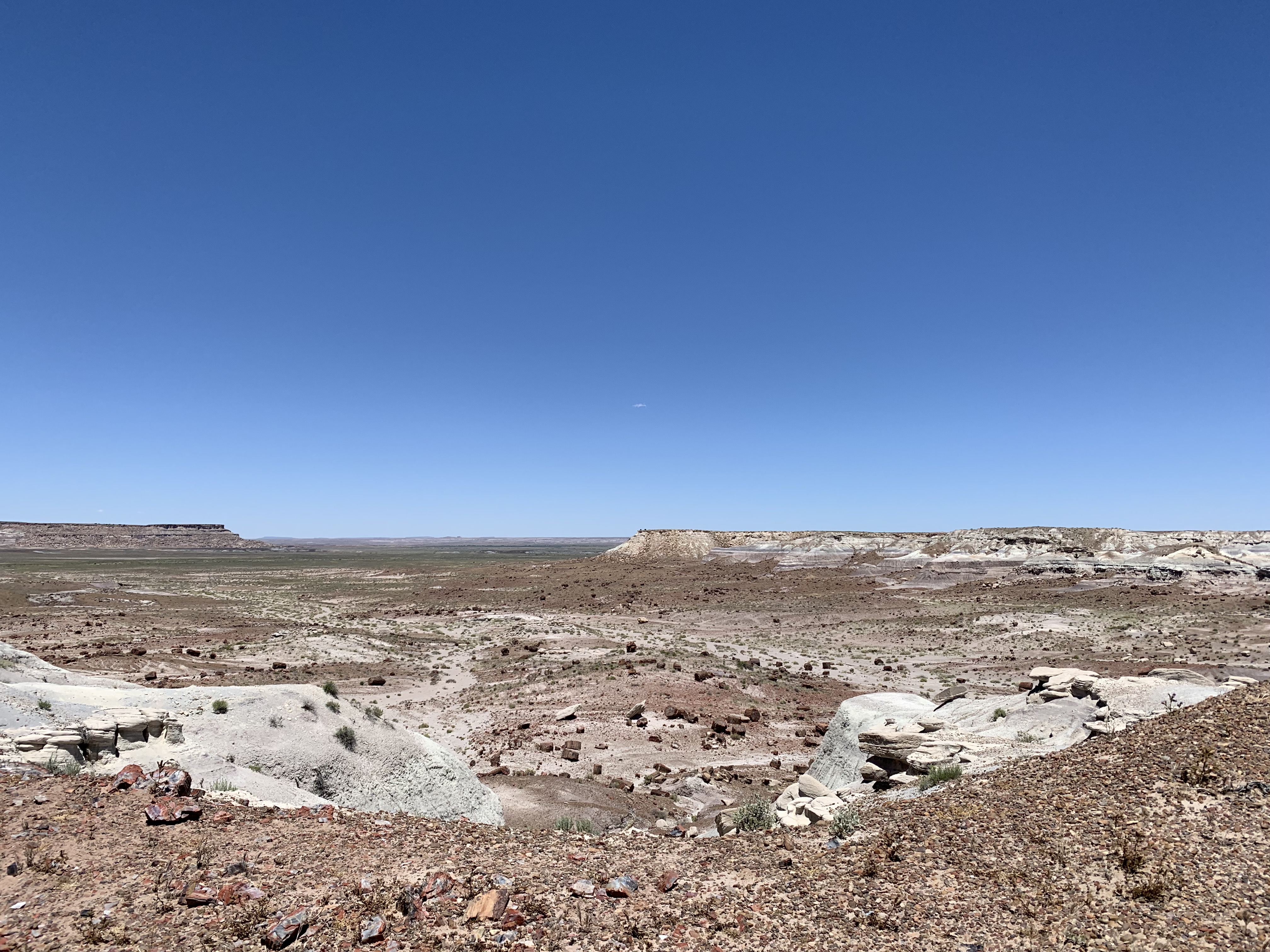
The last national park stop on our trip this year was The Petrified Forest and Painted Desert. The Petrified Forest stretches across the northeastern part of Arizona, in Navajo territories. This beautiful 230 square acre park is filled with desert plants, wild animals and the most spectacular collection of petrified wood in the world. Millions of year ago trees in this area got buried in mud and volcanic ash, the silica recrystallized inside the wooden trees, turning them into stone. It was absolutely incredible to walk through fields of fallen petrified trees unmoved by man. These trees didn’t just look like they had regular bark, different minerals gave these stone trees multicolored trunks that almost sparkled in the late afternoon sun. At the most southern tip of this stone forest, the Painted Desert starts to emerge from the ground. This Desert is named for the vibrant colors in the stone that you are able to see because of years of erosion. The stone is primarily iron and magnesium which gives it its signature dark red color. The setting sun across the desert made the hills look like they were on fire.  

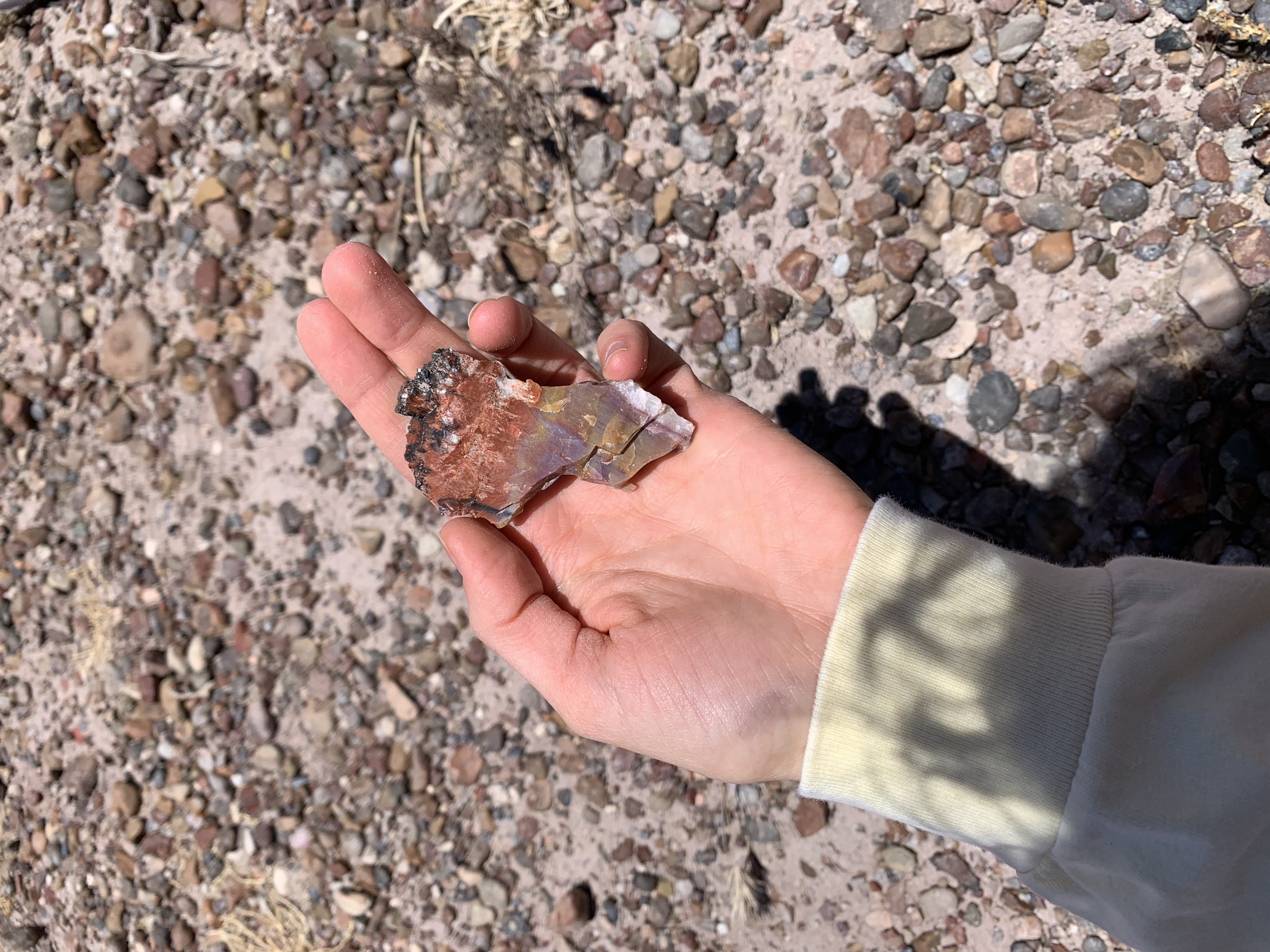
Unlike most National Parks, in the Petrified Forest there was one hiking trail where you were allowed to walk off the beaten path and interact with nature. The park rangers actually encouraged people to wonder off this trail and pick up the wooden stone, as long as you put it right back where you found it. This was special because in most national parks you are instructed to stay on the trail. In one 0f his essay’s, Jack Turner argues that humans no longer see real nature because even in reserved wilderness areas there are restrictions to where you are allowed to walk. I agree with Turner to a certain degree, I think it would be wonderful if we could just roam freely around national parks, but unfortunately there are rules for a reason. These rules are meant to protect and preserve this magnificent land, so people can enjoy it in perpetuity. But while I was walking off the trail in the Petrified Forest I started to understand Turner’s words, even though it felt like I was breaking the rules I got to interact with nature and wilderness in a special way. Seeing these wooden stones up close, actually touching them and feeling how heavy they were was a more profound experience than just looking at them from afar. Although I understand what Turner is arguing for, it is important that national parks have rules to protect the limited amount of true wilderness that is left in our world. 

Here are some pictures from my trip!

The Grand Canyon

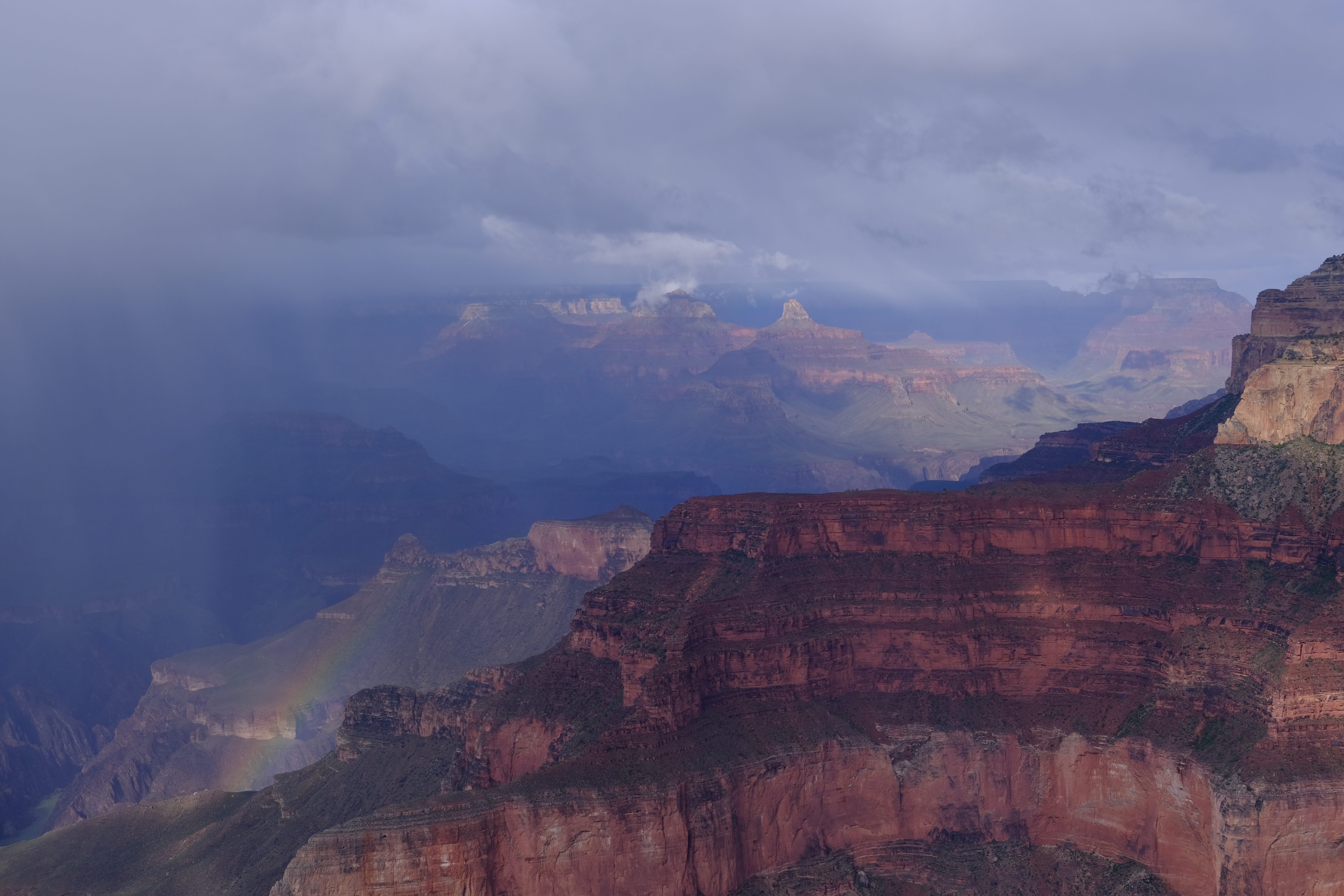
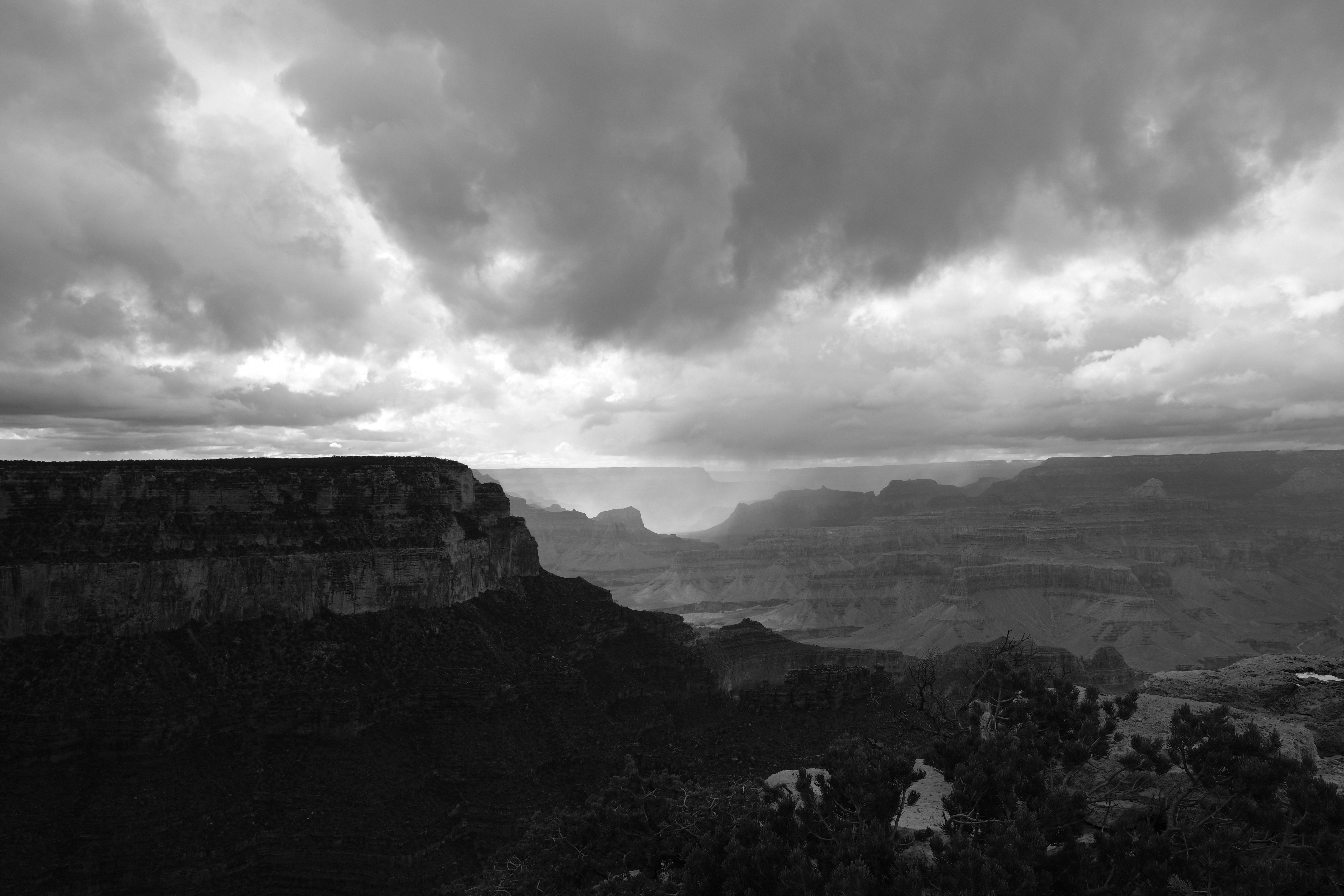
The next stop on our trip was the Grand Canyon, which stretches about 270 miles east to west in Arizona. The Grand Canyon was not actually on my bucket list of places to go, but my parents decided this destination for our family trip. I didn’t think it would be all that special, just a big hole in the ground. But after seeing its extreme vastness and beauty, I admit it is one of the great wonders of our world. Even though we went on this trip in late may, it was quite cold so I got to experience the canyon in both the sunlight and the snow. Every way you turn you see extravagant nature, whether it is the iron red rocks or the just a speck of the Colorado river at the bottom of the canyon.

This astonishing landmark was an important discovery during our countries fulfillment of manifest destiny. Our earliest settlers believed that conquering all the land between the Atlantic and Pacific was important for establishing our new country. Although moving into this land meant taking it away from the native people, Fredrick Jackson Turner believed it was our right to make this land our own. Turner created the Frontier Hypothesis, which stated that Americans needed to explore their new land to find what opportunities it may hold. While traveling west across the country one of the most incredible discoveries was the Grand Canyon.

This incredible canyon was thought to be formed 5-6 million years ago by the harsh waters of the Colorado river. Even though the canyon was discovered very early on it was not declared an official national park until 1919. The Grand Canyon is one of the most spectacular geological landmarks in the world. The canyon walls shows millions of years of rock erosion and different layers of the earths crust. This canyon was just another thing that made America new and different from its well established mother countries in Europe. This piece of land in Arizona held new wilderness and nature for people to explore.

https://www.history.com/topics/landmarks/grand-canyon

Here are some of my pictures from the park!

Monument Valley Continued… !

Nature and wilderness can provide you with a very specific feeling of familiarity but nature and wilderness can vary so much it can also be new and scary. When we think of nature we think of a specific place and the type of living wilderness that fills it. Personally when I think about nature I get more of a familiar feeling of home, like what Snyder talks about, and how different types of wilderness add specific aspects to that nature setting. But like Nash states in his text wilderness can also be a place like designated wilderness areas that the federal government has put aside. At Monument Valley I learned about the importance this place has on the native people. The monument’s were something new and exciting for me, but there are old and filled with history for the native Navajo people that live on this land. Even though this wild sandy desert did not provide a sense of home to me, it does for many other people.

It is important to remember that humans also have a huge impact on nature, an article on nature.com talks about the connection between humans and nature and how humans can impact wilderness. I personally love this article because nature can be changed so much by mankind, and it is important that humans acknowledge and understand this so we can protect our sacred wilderness. I think that humans are apart of nature, and wilderness and mankind rely on each other.

https://www.nature.com/articles/456029b

Monument Valley

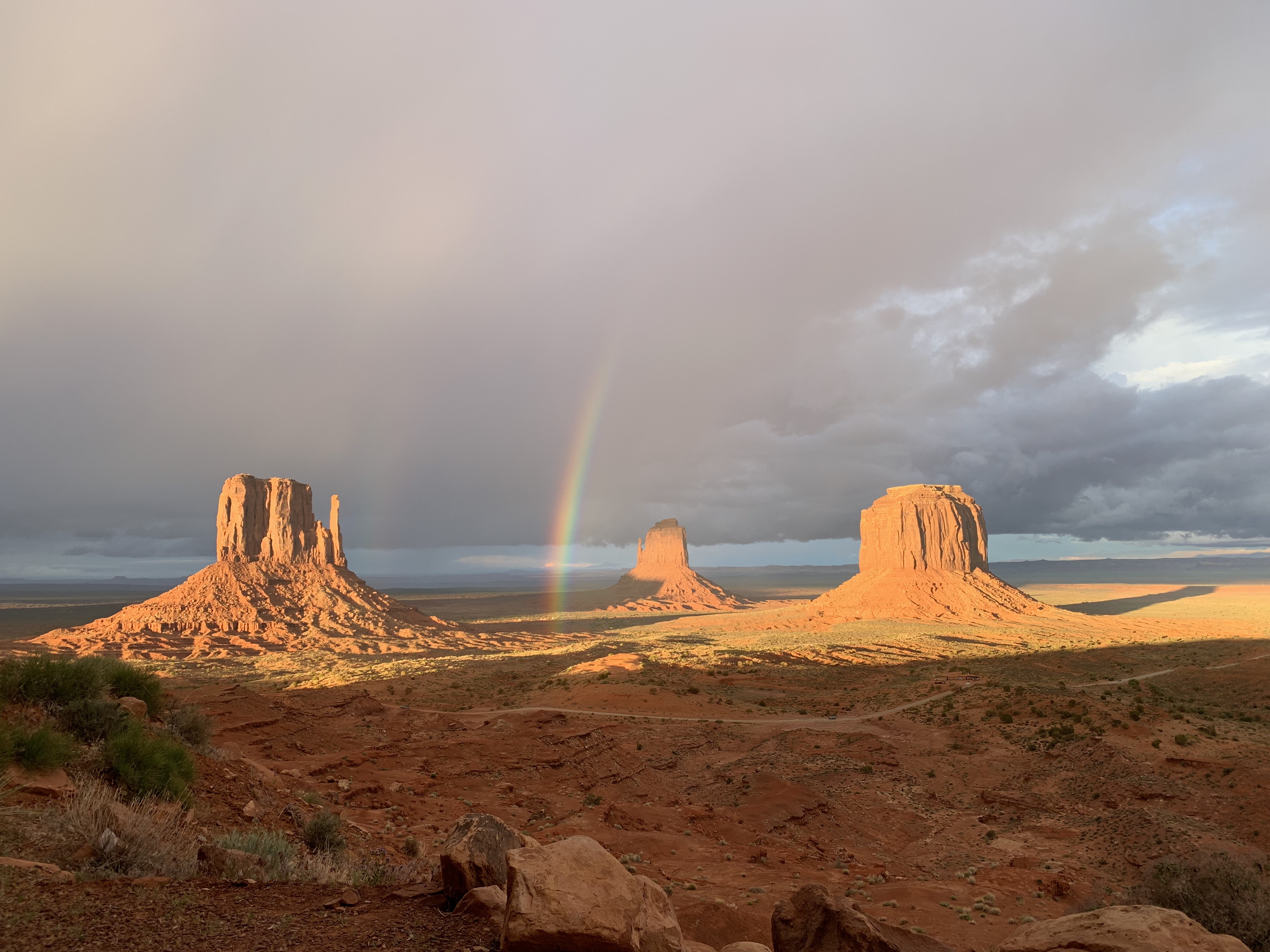
The second stop on our annual hiking trip was Monument Valley in Arizona. This desert area is a part of the Navajo tribal nation and is filled with red sand and “buttes” which are naturally made monuments. Monument Vally is specifically famous for its “mittens” which are two separate buttes that look like a set of hands with no fingers, or mittens. This type of natural landscape is very different than the one I grew up in, which makes it even more exciting to explore. I love my wooded back yard and hometown lake because of their familiarity, but there is something special about exploring a new natural landscape for the first time. Right when we got to the park we did a 17-mile driving loop with multiple pull-offs to get different views of the mittens. All of these lookout points were amazing, but the highlight of the day was seeing a rainbow above the monuments from our hotel balcony. I love these trips because every year I get to experience nature and wilderness in a new way, which makes me appreciate it even more. This nature setting also opened my eyes to a different culture in our country. The Navajo nation is filled with glorious landmarks, canyons and ruins that I never knew about. By exploring their home and wilderness I got to learn new things about them and also take in the natural beauty of the landscape.

The Four Corners

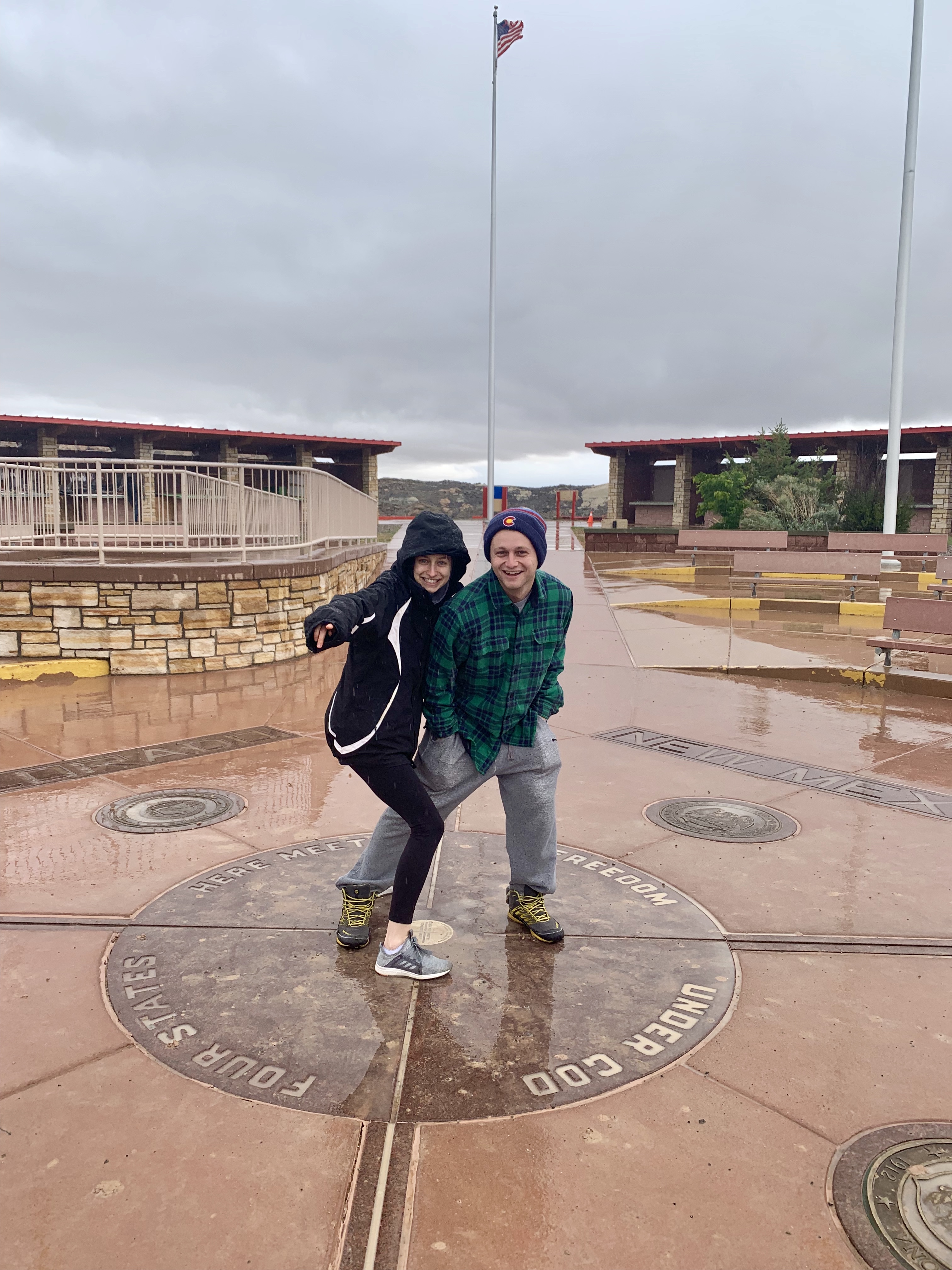
The first stop on our annual family hiking trip this year was the four corners monument. This monument marks where the Arizona, Colorado, New Mexico, and Utah boarders meet. There is not much at the monument, just a plaque on the ground marking the boarders of each state. Although there wasn’t much too this monument it was fun to stand in four states at once.